
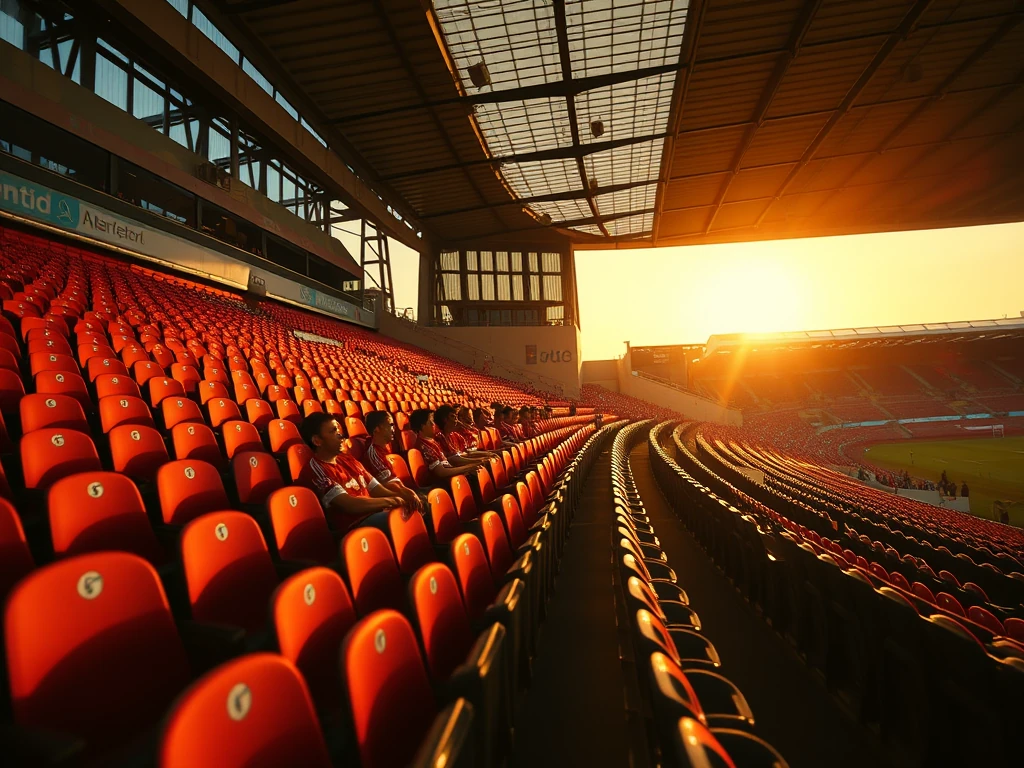
Manchester United has faced a rocky patch in recent fixtures, prompting a closer examination of the tactical approach employed by the team. While the Red Devils have shown flashes of brilliance, the inconsistency in performance indicates a need for tactical tweaks that can rejuvenate their season and bring out the best in their squad.
One area that warrants immediate attention is the midfield structure. Currently, the midfield pivots often seem disconnected from both the defense and the attack, leading to an imbalance that can be exploited by opponents. A shift to a double pivot system, with a more defensively minded player alongside a creative force, could provide the team with better control in central areas. This would allow the full-backs to push higher up the pitch, providing width while ensuring that there is adequate cover in case of counter-attacks.
Additionally, the pressing strategy needs to be recalibrated. United’s high press has been sporadic, sometimes leaving the defense exposed when the press is bypassed. Implementing a more coordinated pressing scheme that involves all players, particularly the forwards and midfielders, could lead to regaining possession higher up the pitch and creating more goal-scoring opportunities. This would also allow the team to maintain a more aggressive posture without compromising defensive solidity.
Another tactical tweak could involve the forward line's movement. Currently, the attacking players often occupy similar spaces, leading to congestion in the final third. Encouraging strikers to make varied runs-one stretching the defense while another looks to exploit spaces behind-could create more opportunities and enhance the team's attacking versatility. This could be complemented by instructing the wingers to cut inside more often, allowing overlapping runs from full-backs, thereby adding layers to the attack.
Set pieces represent another opportunity for Manchester United to gain an advantage over opponents. By incorporating innovative routines that exploit the aerial prowess of players like Raphael Varane and the creativity of Bruno Fernandes, United could transform set pieces into genuine goal-scoring chances. Training sessions should emphasize this aspect, focusing on quick routines that catch defenses off guard.
Lastly, maintaining a flexible formation during matches could serve United well. Adopting a 4-2-3-1 in possession and shifting to a more compact 4-4-2 when defending could allow the players to adapt fluidly to the game’s demands. This flexibility could help the team to better manage different phases of play and respond effectively to the opposition’s tactics.
while Manchester United has the quality within their squad to challenge for top honors, tactical innovations are key for turning recent struggles into success. By refining their midfield structure, enhancing pressing coordination, varying attacking movements, optimizing set pieces, and embracing tactical flexibility, the Red Devils can regain their competitive edge and aim for a strong finish in the season.