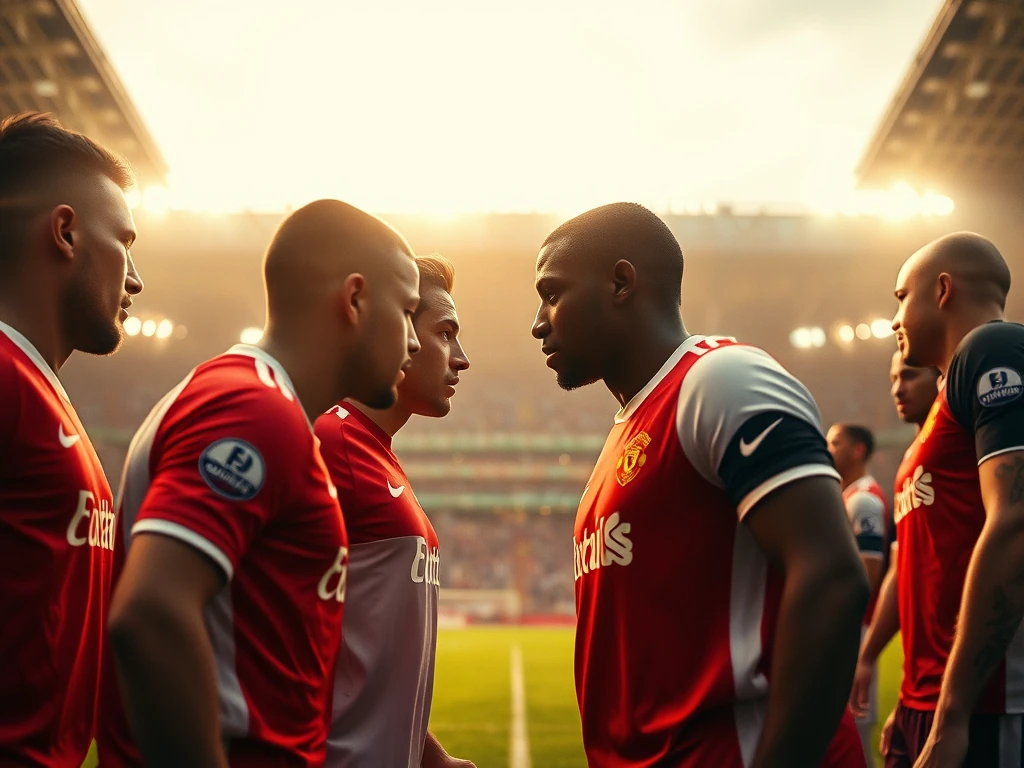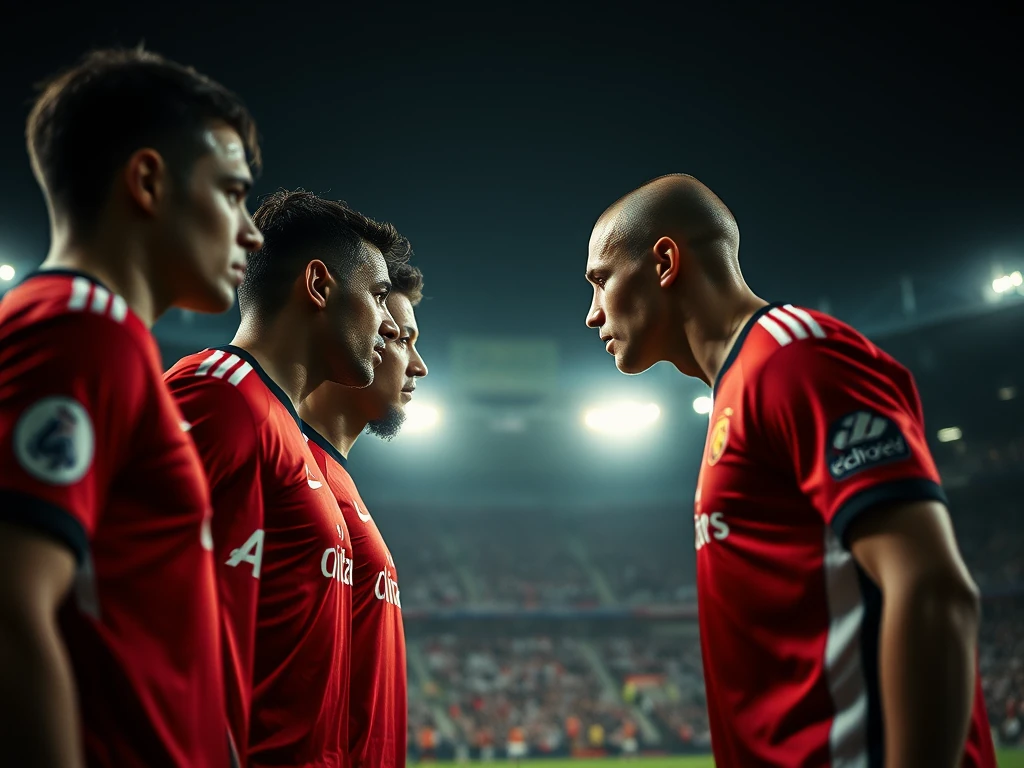
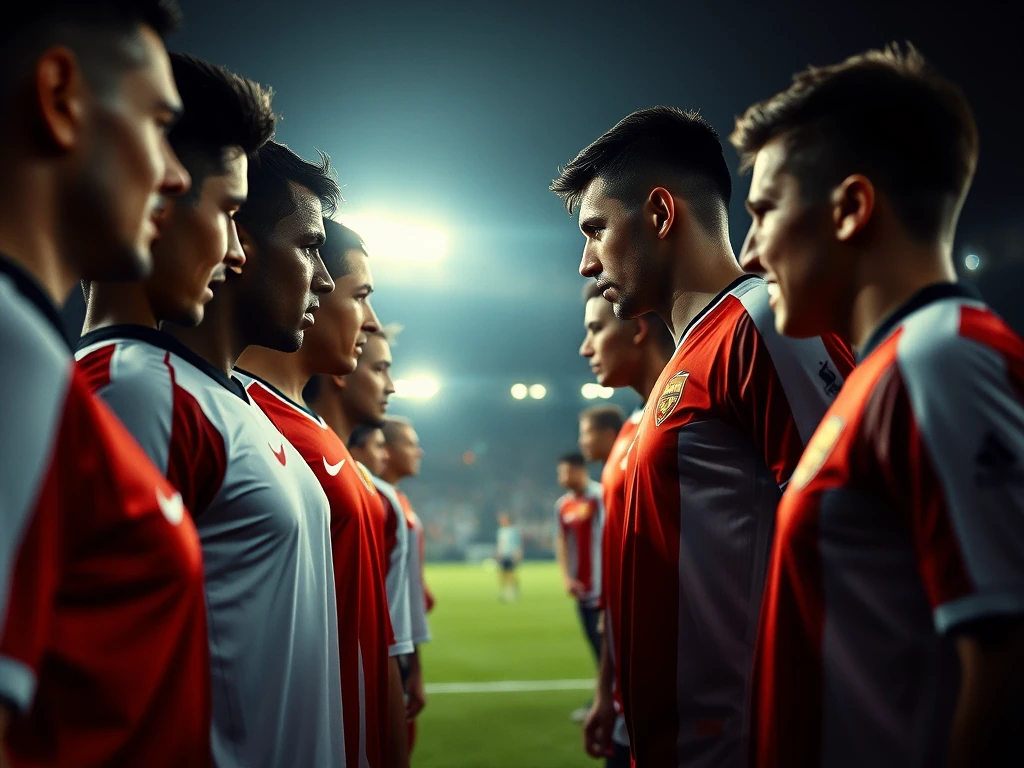
In the heart of Manchester, where the spirit of football pulses through the veins of the city, the rivalry between Manchester United and Liverpool ignites fervor like no other. For the Red Devils, derby days are not merely matches; they are cultural phenomena, steeped in traditions that define what it means to be a supporter.
As the sun rises on derby day, the anticipation builds throughout Manchester. Pubs across the city overflow with fans donning their red jerseys, voices raised in song. The atmosphere is electric, with chants of ‘Glory Glory Man United’ echoing through the streets as supporters make their way to Old Trafford. This is where the day truly begins-a ritualistic pilgrimage that binds fans from all walks of life.
One of the most cherished traditions is the gathering at the iconic statue of Sir Matt Busby, where supporters pay homage to the club's legendary figures. It’s a moment of reflection and unity, where fans share stories of their first matches, the players they idolized, and the heartaches and triumphs that shaped their loyalty. This communal gathering sets the tone for the day, instilling a sense of pride and belonging that resonates throughout the stadium.
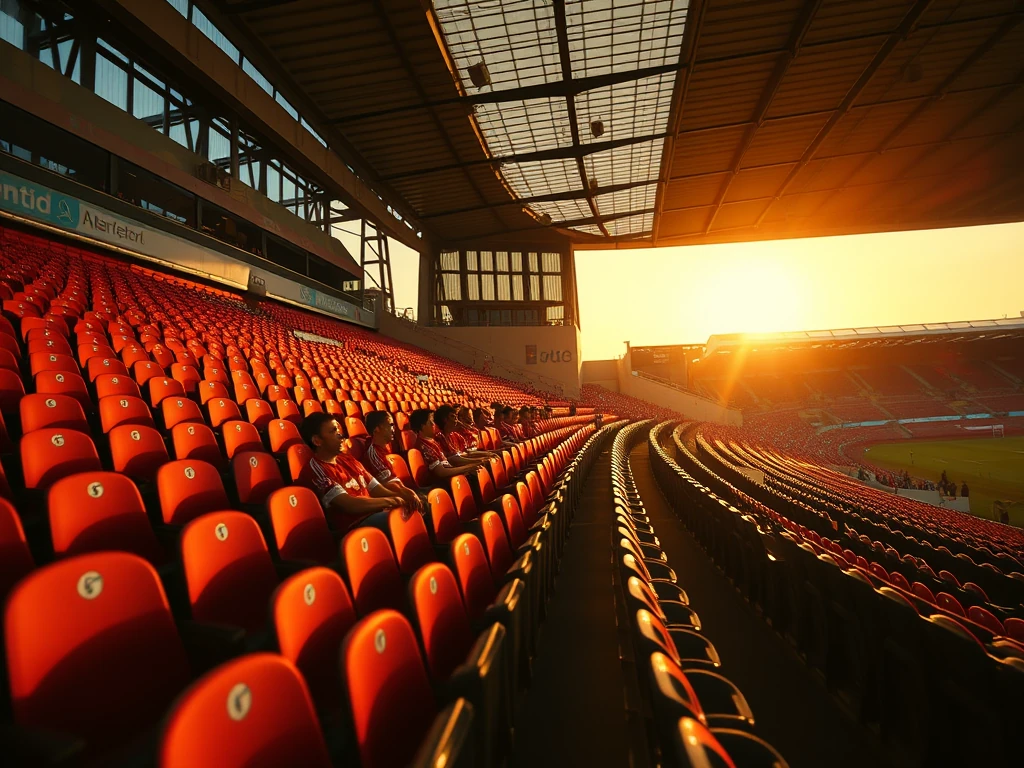
Upon entering Old Trafford, known as the Theatre of Dreams, the sensory overload begins. The sight of the pitch, the smell of the grass, and the roar of the crowd create a prelude to the spectacle that awaits. Fans participate in the ritual of singing the club anthem, ‘Glory Glory Man United,’ which reverberates through the stands, creating a wall of sound that intimidates the opposition and inspires the players. It's a moment where individual voices meld into one, creating a powerful chorus that embodies the unity of the Red Devils.
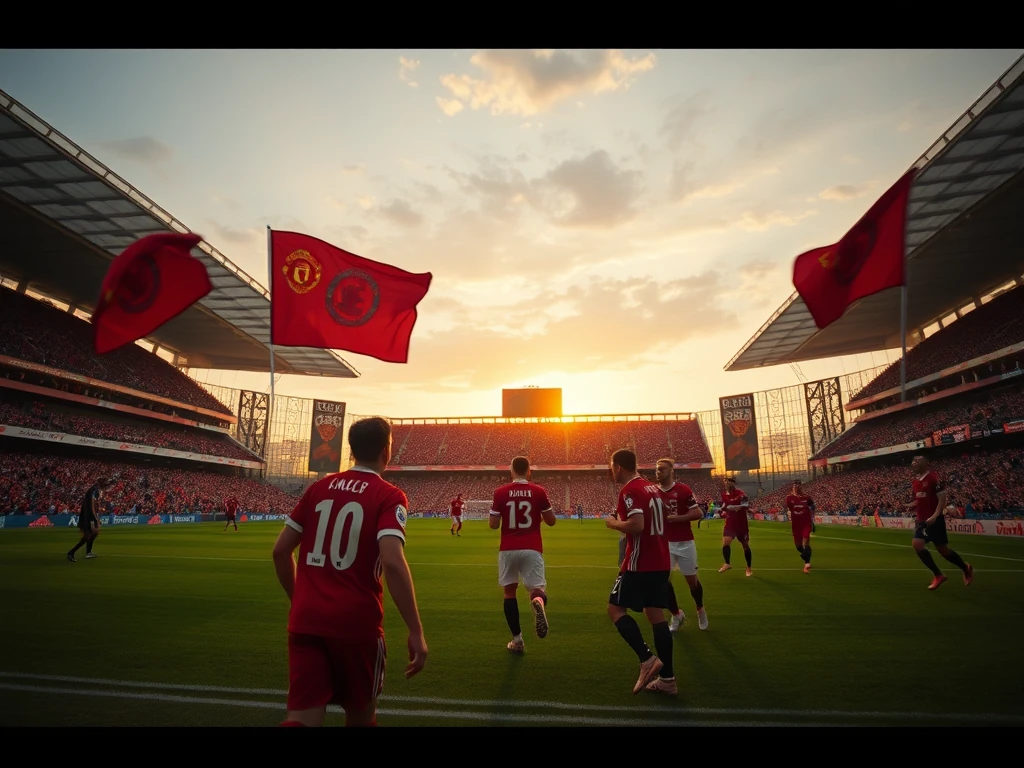
The atmosphere in the Stretford End, renowned for its passionate supporters, reaches a fever pitch as kick-off approaches. Flags wave, scarfs are raised, and the iconic 'Red Devils' chant rises, a primal declaration of defiance against the rival fans. Here, the sense of community is palpable; strangers become friends, bonded by a shared love for their club and the anticipation of victory.
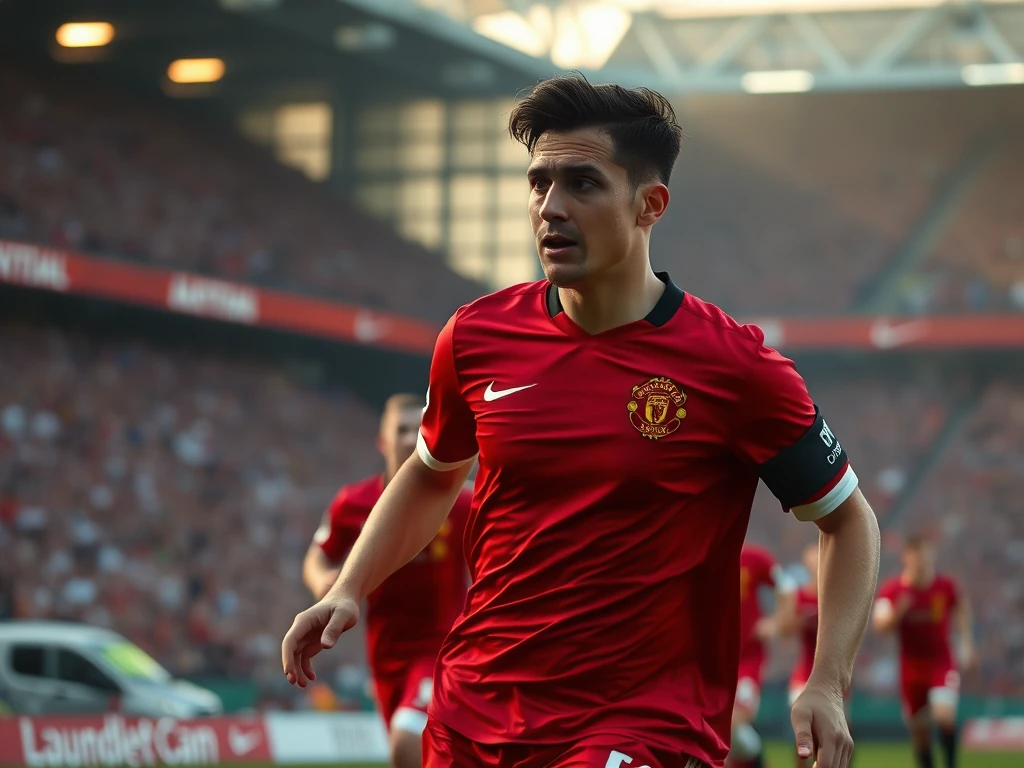
As the match unfolds, every tackle, every shot, and every goal is met with a cacophony of cheers or groans, depending on the action on the pitch. The ebb and flow of emotions create a rollercoaster experience, where the highs of a goal are celebrated with joyous abandon, and the lows are met with collective disappointment. The rituals observed during these moments-like the synchronized clapping, the standing ovations for exceptional plays, and the emotional outpouring of support-further deepen the connection between the fans and the team.
Post-match, win or lose, the camaraderie continues. Fans spill out into the streets of Manchester, still buzzing from the experience. Discussions about the match, player performances, and even tactical decisions flow freely, but they are often punctuated with laughter, banter, and a sense of optimism for the next encounter.
In essence, the traditions surrounding Manchester United’s derby days against Liverpool are a rich mix of rituals that reflect the passion, commitment, and love of the game. They remind us that being a Red Devils supporter is about more than just football; it’s about identity, community, and an unwavering spirit that propels the club forward, no matter the challenges faced on or off the pitch.