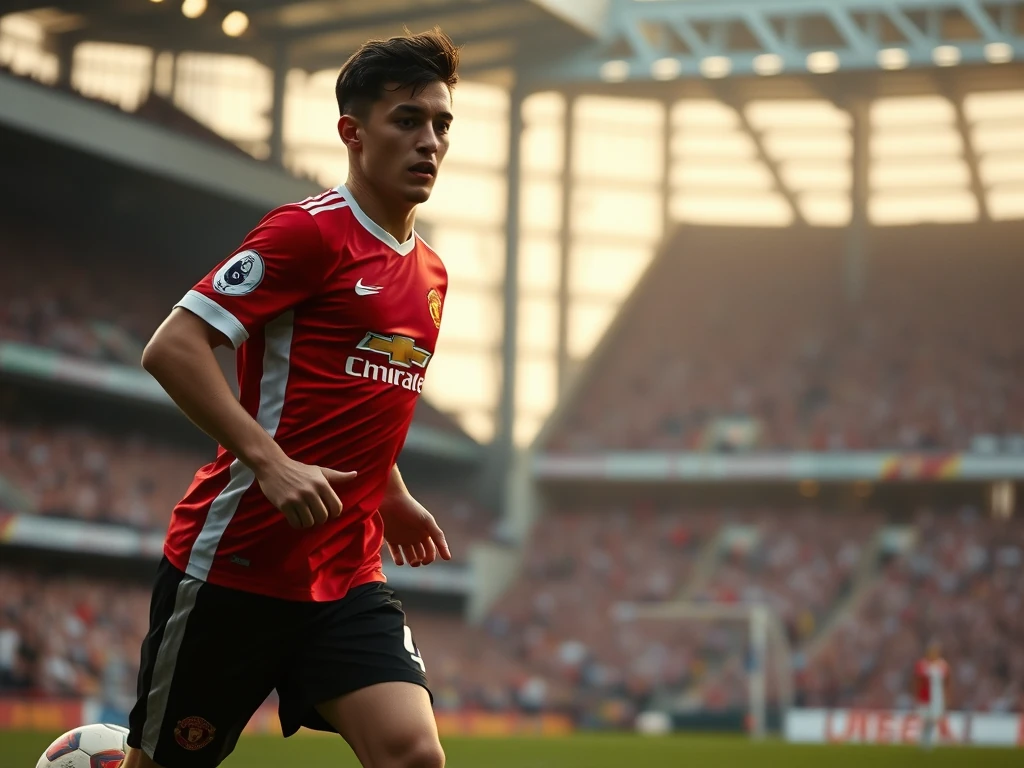

Every time Scott McTominay took to the pitch for Manchester United, his presence was undeniable. With former footballer Gary McAllister expressing surprise over the club's decision to let him go, it raises questions about the Red Devils' midfield strategy and player management. In this analysis, we’ll explore McTominay’s impact on the team, the rationale behind his departure, and what this means for Manchester United moving forward.
Scott McTominay's Rise at Manchester United
Scott McTominay, who came through the youth ranks at Manchester United, has always been a player who embodies the club's spirit. His journey from the academy to the senior team is a sign of his hard work and determination. Debuting in 2017, he quickly established himself as a reliable option in the midfield, known for his tenacity and ability to break up play.
During his time at United, McTominay showed his versatility and tactical awareness, often playing both as a defensive midfielder and a box-to-box presence. His performances against top opponents, including notable displays against Manchester City and Liverpool, highlighted his capacity to rise to the occasion. Fans often noted his ability to control the tempo of the game and contribute defensively, traits that made him a valuable asset.
As a young player, he also displayed leadership qualities, earning the trust of managers and teammates alike. His journey encapsulated what it means to be a Manchester United player-hardworking, resilient, and committed to the cause.
The Decision to Let Him Go
The decision to allow McTominay to leave has raised eyebrows among fans and analysts alike. With the club struggling for consistency in midfield, many wonder if this was a move that could backfire in the long run. While the management had its reasons-perhaps looking to refresh the squad or bring in different tactical options-the timing doesn't seem optimal.
Critics point to United's midfield struggles since his departure. The team has experienced a lack of physicality and dynamism in the centre of the pitch, areas where McTominay excelled. His absence has been felt, especially in high-stakes matches where control of the midfield is key.
Also, McAllister's remarks about being surprised by the decision reflect a broader sentiment among pundits. The risk of letting go of a player who consistently performed at a high level raises questions about the club's recruitment strategy and long-term vision.
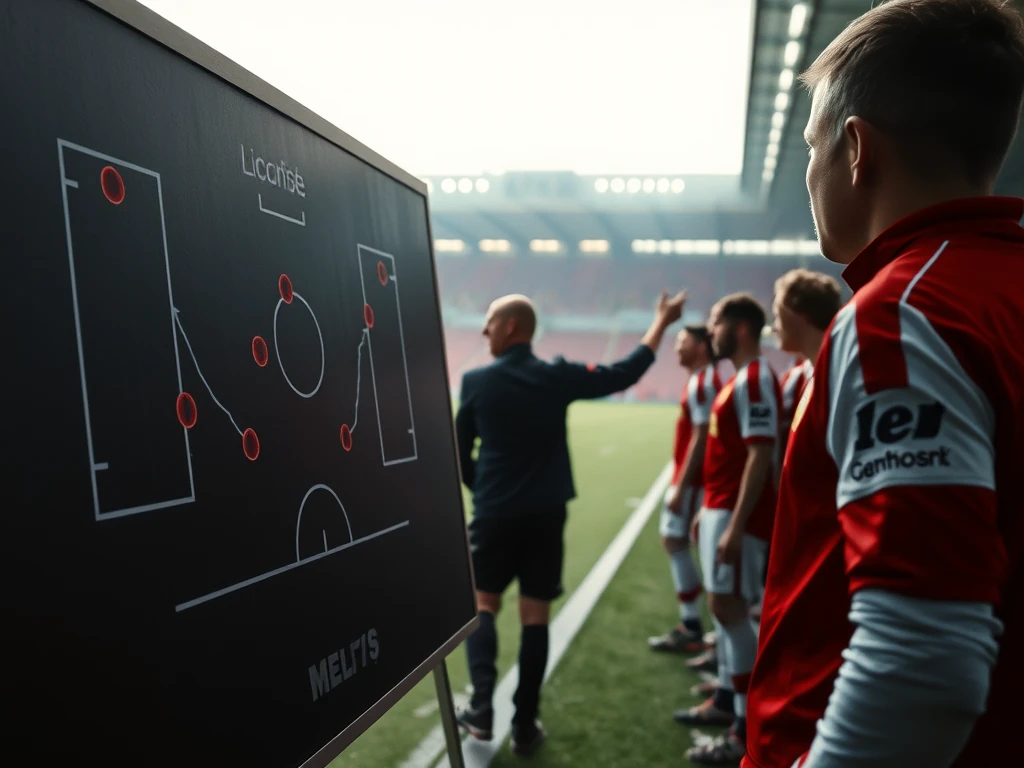
Tactical Breakdown of McTominay's Game
In analysing McTominay's contributions, it's essential to understand his tactical role on the pitch. His ability to intercept passes and disrupt the opposition's play made him a critical part of the team's defensive structure. Here are some key attributes of his game:
- Ball Recovery: McTominay was adept at winning the ball back in key areas, often initiating counter-attacks.
- Passing Range: While not known for being a flamboyant passer, he had the capability to deliver key passes, transitioning play effectively.
- Physical Presence: Standing at 6'4", his physicality allowed him to dominate duels, contributing defensively and offensively at set pieces.
These attributes made him an integral part of United's tactical setup. Managers often relied on him to balance the midfield and support both defensive and attacking phases of play, making his departure even more puzzling as the team looks to regain its competitive edge.
What This Means for Manchester United
From a fan's perspective, McTominay's exit represents a significant loss. His connection with the supporters was evident, and many viewed him as a player who truly understood the club's identity. The question now is whether the current management can find a suitable replacement or if they will risk further discontent among the fanbase.
United's midfield has struggled to find consistency, and McTominay's absence has magnified these issues. The club has faced challenges in both creativity and defensive solidity, leading to mixed results in league play. As the season progresses, fans will be watching closely to see how the management addresses these gaps.
Fan Reaction and Outlook
The reaction from fans has been overwhelmingly critical of the decision to let McTominay go. That he was a player who embodied the values of Manchester United and represented a bridge between the club’s storied past and its aspirations for the future. Social media has been rife with discussions about his performances and the impact of his departure.
Supporters have expressed concerns about the club's direction, questioning the long-term vision of the management. The sentiment is that the club should be investing in home-grown talent rather than letting them slip away, especially when they’ve proven their worth at the highest level.
As we move forward, fans will look for signs that the club is committed to rebuilding and valuing its academy products. The need for a cohesive strategy that balances youth development with immediate success has never been more key.
Counterpoint: The Case for Change
However, not all opinions align with the general sentiment towards McTominay's departure. Some critics argue that maintaining a player who has not consistently performed at the elite level could hinder the team’s progress. They suggest that the club needed a fresh start in the midfield and that letting McTominay go was part of a bigger plan to rejuvenate the squad.
This perspective considers the need for more dynamic players who can adapt to the evolving nature of the Premier League. While McTominay provided stability, the argument is that his departure opens the door for a more major approach in midfield.
What's Next
As we look ahead, Manchester United must reassess its midfield strategy. The club's management needs to evaluate potential signings who can fill the void left by McTominay while also looking at the youth academy for new talent. The future of the club relies on finding the right balance between nurturing home-grown players and bringing in new blood that aligns with their tactical philosophy.
For fans, the hope is that any changes made will be in the best interest of the club's identity and competitive future. With the right decisions, Manchester United can regain its status as a force in both domestic and European football.