Tactical Analysis of Manchester United's Recent Form
Manchester United, affectionately known as the Red Devils, has faced its fair share of ups and downs in recent matches. While the team's attacking prowess remains commendable, a deeper dive into their tactical approach reveals several areas requiring fine-tuning. With the club's ambitions firmly set on reclaiming their status among the league's elite, strategic adjustments will be key to overcoming recent challenges.
Current Tactical Setup: Strengths and Weaknesses
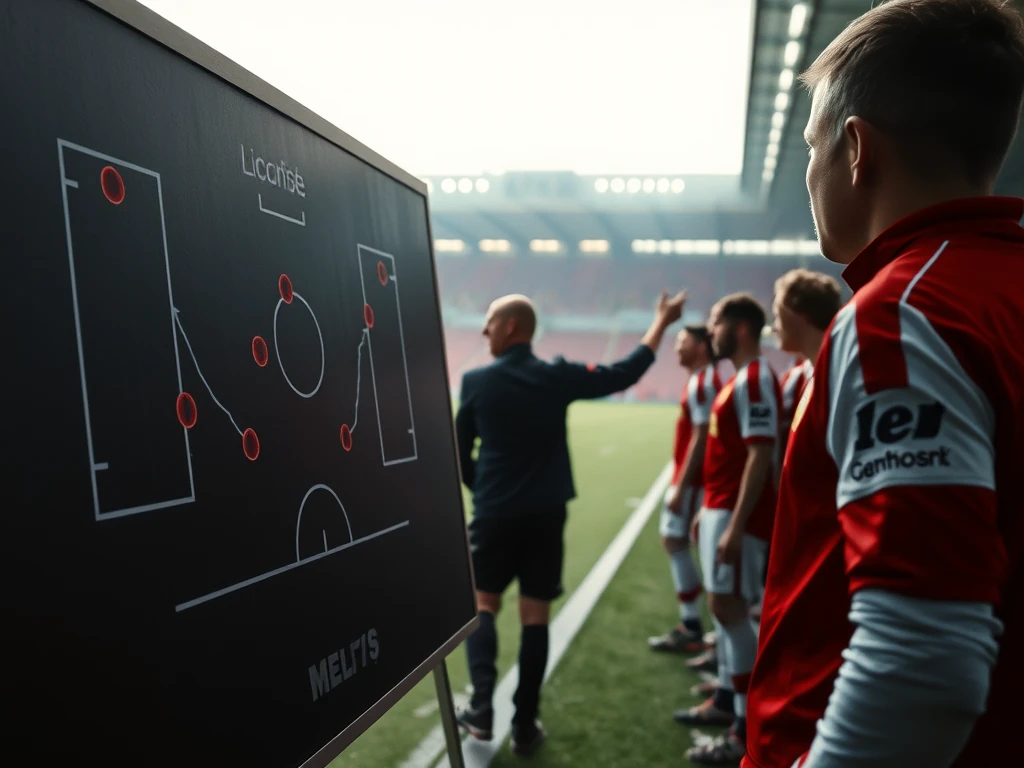
In recent outings, Manchester United has predominantly employed a 4-2-3-1 formation. This setup allows for a balance between defensive solidity and attacking flair, with two holding midfielders providing protection for the back four while facilitating transitions into attack. However, despite its theoretical advantages, the execution on the pitch has often faltered.
One notable weakness has been the team's inability to maintain possession in key areas, often leading to counter-attacks from opponents. The midfield pivot, while defensively sound, has struggled to link play effectively with the forwards, causing a disconnect that hampers the attacking flow. Additionally, wingers often find themselves isolated, leading to a lack of width in United's attacking play.
Suggested Tactical Tweaks
1. Incorporate a Double Pivot: Transitioning to a double pivot in midfield could enhance Manchester United's possession game. Using two players-such as Casemiro and a more progressive midfielder-could provide greater support in ball retention and facilitate quicker transitions. This adjustment would allow the full-backs to push higher up the pitch, creating overlaps and increasing width in attack.
2. Fluidity in Forward Positions: Encouraging greater fluidity among the attacking trio could prove key. By allowing the wide players to interchange positions with the central forward, United can create confusion in the opposition's defense, opening up spaces for midfield runners to exploit. This tactical flexibility could be particularly effective against teams that set up in a rigid defensive structure.
3. Pressing Triggers: Increasing the intensity of the press in specific areas of the pitch could disrupt the opposition's build-up play. Identifying pressing triggers-like a certain pass or a player receiving the ball in a vulnerable position-can enable United to regain possession higher up the pitch. A more coordinated pressing effort would not only help win the ball back quickly but also create immediate scoring opportunities.
4. Use the Width: To stretch opposing defenses, it is essential to use the width of the pitch effectively. This can be achieved by having full-backs, like Diogo Dalot and Luke Shaw, push higher and provide overlapping runs while the wingers cut inside. This not only creates space for central players but also allows for more crossing opportunities, which could be beneficial given the aerial abilities of forwards like Rasmus Højlund.
Conclusion
As Manchester United aims to handle through a challenging season, the importance of tactical adaptability cannot be overstated. By implementing these suggested tweaks, the Red Devils can enhance their overall team performance, ensuring greater cohesion and effectiveness on the pitch. With the right adjustments, United can reclaim their attacking identity and assert their dominance in the league once again.