Tweaking the Tactics: Manchester United's Path to Improvement
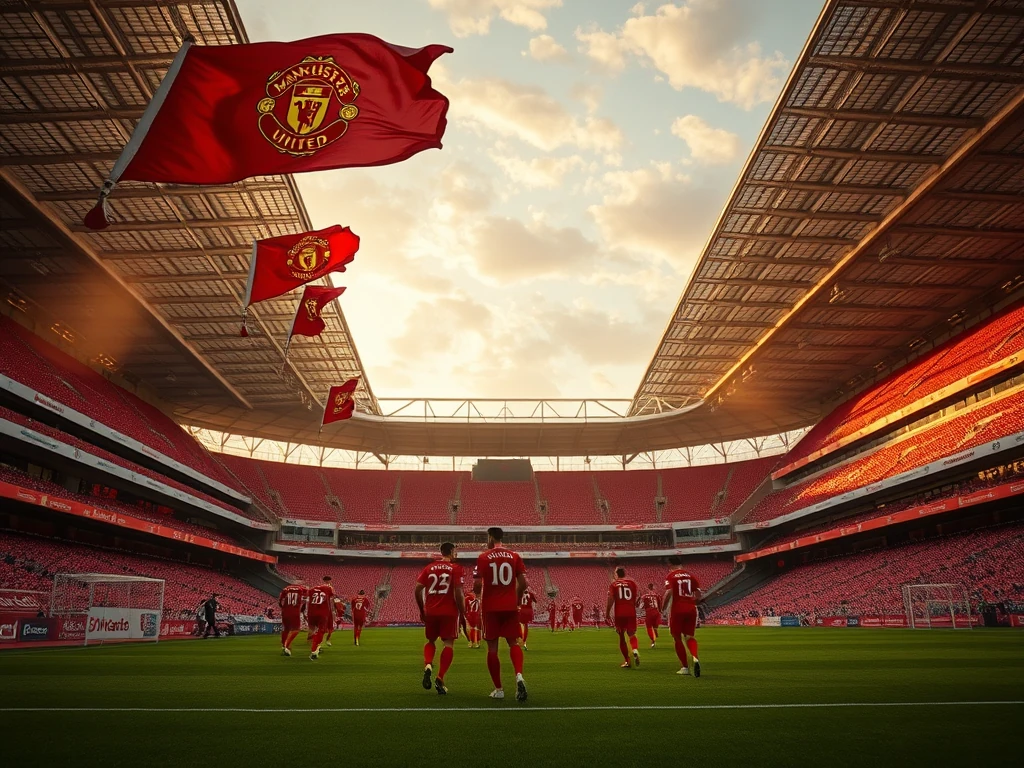
Manchester United is a club steeped in rich history and expectation, and as the current season unfolds, the pressure is mounting on the players and coaching staff to deliver consistent performances. Recent form has raised concerns among fans and analysts alike, prompting a closer look at the tactical setup employed by the Red Devils. While individual brilliance has shone through at times, a more cohesive and strategic approach could be the key to unlocking greater success.
Formation Fluidity
One of the most notable aspects of United’s recent performances has been their formation fluidity. Relying predominantly on a 4-2-3-1 setup, there have been moments where the team has struggled to maintain shape, particularly when transitioning from defense to attack. While the double pivot of Scott McTominay and Casemiro provides a solid base, it often leaves the forward line isolated, especially against teams that press high.
To address this, switching to a 4-3-3 formation could provide more midfield support and allow for better ball retention. This shift would enable Bruno Fernandes to operate in a more advanced role, creating opportunities while also allowing the midfield to press effectively. The inclusion of an additional midfielder-potentially a more creative presence-could facilitate quicker transitions and link-up play, essential for breaking down organized defenses.
Width and Wing Play
Another area that requires tactical adjustment is the utilization of width in attack. Manchester United has often relied heavily on the pace of their wingers, but the delivery into the box has been inconsistent. Players like Jadon Sancho and Antony possess the skill to beat defenders, yet there have been instances where they have cut inside too often, limiting offensive diversity.
To enhance wing play, a focus on overlapping runs from full-backs like Diogo Dalot and Luke Shaw could be key. This tactic would stretch the opposition defense, creating space for the wingers to exploit. Additionally, ensuring that the forwards make dynamic runs into the box will capitalize on the crosses and passes from the flanks, increasing goal-scoring opportunities.
Defensive Cohesion
Defensively, Manchester United has shown moments of brilliance, but lapses in concentration and poor communication have led to costly mistakes. Establishing a more cohesive defensive unit is vital, particularly in high-pressure situations. The partnership of Lisandro Martínez and Raphaël Varane has potential, but they need to develop a better understanding of each other's movements to prevent gaps in the backline.
Implementing a more structured pressing system can also help mitigate defensive vulnerabilities. By ensuring that forwards and midfielders press in unison, United can disrupt the opposition's build-up play and regain possession higher up the pitch, reducing the pressure on the defense.
Incorporating Youth and Depth
Lastly, the incorporation of younger talent from the academy can inject fresh energy and creativity into the squad. Players like Alejandro Garnacho have shown they can make a difference when given the opportunity. Integrating these players into the first team not only provides them with valuable experience but also adds much-needed dynamism to the squad.
tactical refinement is essential for Manchester United to handle the current season's challenges successfully. By shifting formations, enhancing wing play, improving defensive cohesion, and incorporating youth, the Red Devils can harness their full potential and make a strong push for success in the league. The path to improvement is clear, and with the right adjustments, Manchester United can reclaim their status as a formidable force in English football.