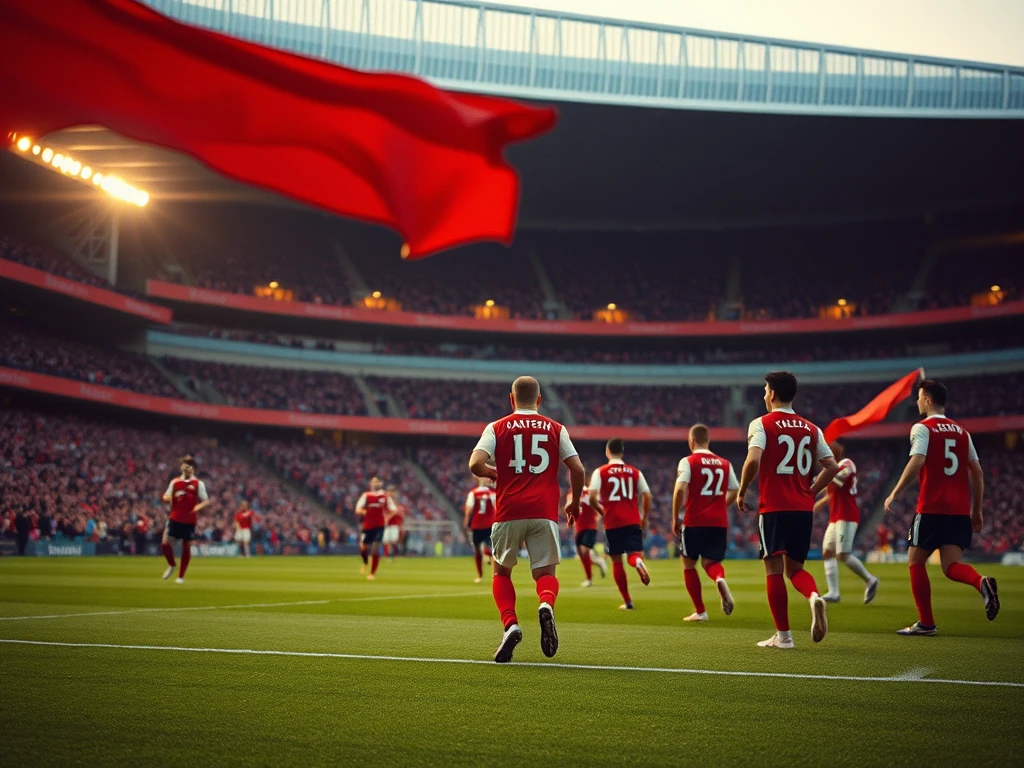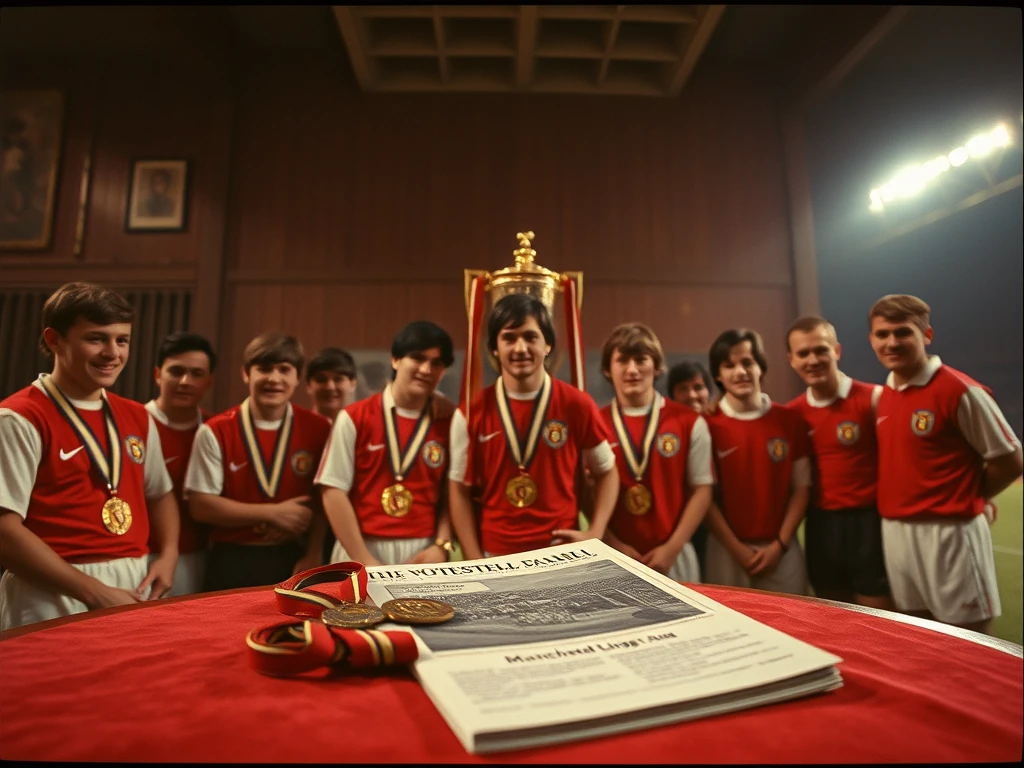

The 1994-1995 season is often overshadowed by the club's later successes, but it was a key time for Manchester United, filled with both trials and opportunities. After clinching the Premier League title in the previous season, expectations were high for the Red Devils to defend their crown. However, the campaign started with a series of inconsistencies that would test the mettle of Sir Alex Ferguson and his squad.
One of the defining moments of the season occurred during the autumn months, when a shocking 5-0 defeat to Chelsea at Stamford Bridge sent shockwaves through the club. This humiliation not only raised questions about the team's defensive solidity but also highlighted the need for a more dynamic attacking approach. Ferguson, ever the strategist, knew that a shake-up was necessary. This led to a bold decision to promote youth players from the famed academy, a move that would ultimately pay off.
The emergence of young stars like David Beckham, Paul Scholes, and the Neville brothers began to redefine the club's playing style. Beckham, in particular, started to catch the eye with his exceptional crossing and set-piece ability. His performances would soon earn him a regular starting position, while Scholes showed his incredible vision and technical skills. These players would lay the groundwork for what would become an iconic team in the coming years.
Despite these promising developments, the team struggled to find consistency throughout the season. High-profile signings like Andrei Kanchelskis and Eric Cantona faced their share of challenges, and the squad struggled to maintain momentum in the league. The rivalry with Liverpool intensified during this period, as both clubs vied for supremacy, and the pressure was palpable.
As the season progressed, Ferguson's faith in his younger players began to bear fruit, albeit with some growing pains. A key moment arrived during a key match against Liverpool at Anfield, where a young Beckham scored a stunning free-kick that not only secured a vital point but also signaled his arrival on the big stage. The atmosphere that day was electric, and the goal instilled a sense of belief within the squad that they could compete with the best.
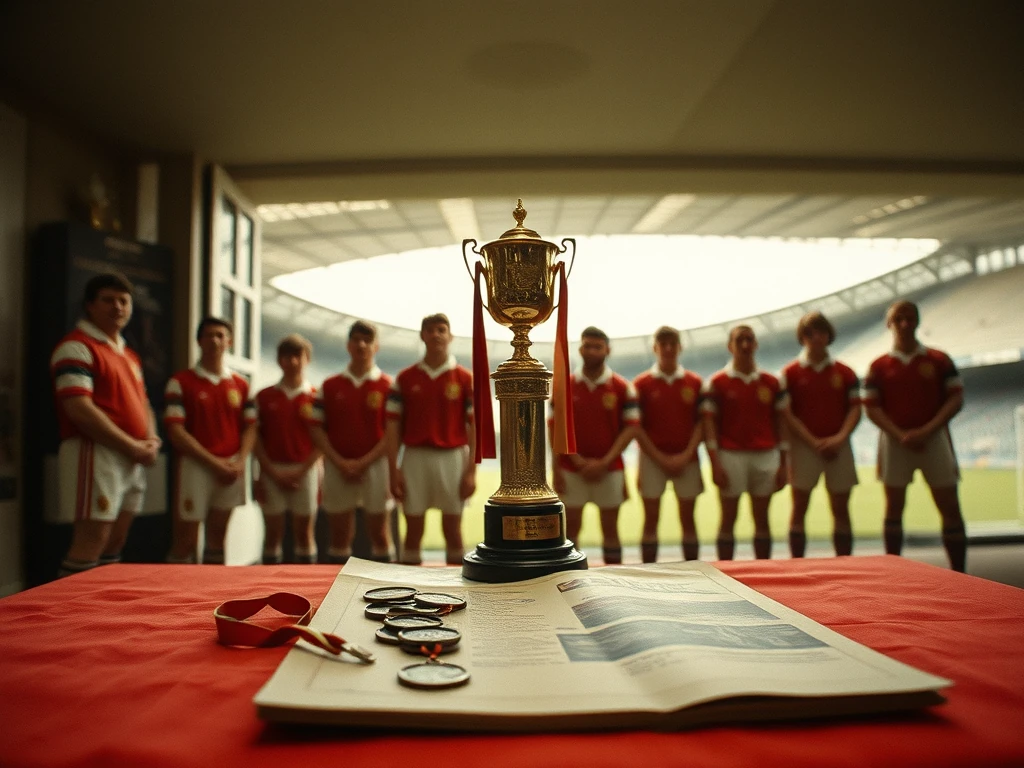
The culmination of the season saw United finishing a disappointing second in the league, trailing behind a resurgent Blackburn Rovers. However, the club's fortunes would soon change as Ferguson's focus on youth development and tactical adjustments began to take shape. The 1995 FA Cup Final against Everton was a defining moment; although United lost 1-0, it became clear that the seeds of a new era were being sown.
Looking back, the 1994-1995 season was less about immediate glory and more about laying the foundation for future success. The club's commitment to nurturing young talent would eventually lead to a period of unprecedented dominance in English football. Ferguson's vision began to materialize as the likes of Beckham, Scholes, and the Neville brothers became integral parts of the team that would go on to conquer the Premier League and European competitions in the late '90s and early 2000s.
In retrospect, this season was a crucible for Manchester United, instilling resilience and a hunger for success. It highlighted the importance of embracing change and the potential of youth, elements that would become synonymous with the club's identity in the years to come. The lessons learned in 1994-1995 would echo through the annals of United's history, reminding supporters that even in times of struggle, greatness can be forged.