In the annals of Manchester United's illustrious history, few moments stand out as significantly as the arrival of George Best in 1969. A prodigious talent with a flair for the dramatic, Best would soon become a household name, not only for his dazzling skills on the pitch but for his larger-than-life persona off it. His signing was a watershed moment.
Before Best, Manchester United was already a prestigious club but was searching for a spark to reignite its ambitions following the tragic events of the Munich air disaster in 1958. The team had experienced a difficult decade, struggling to recapture the glory days of the 1950s. In Best, United found not only a player, but a symbol of hope and resilience. The young winger from Northern Ireland arrived at Old Trafford amidst great expectations, and he was more than ready to deliver.
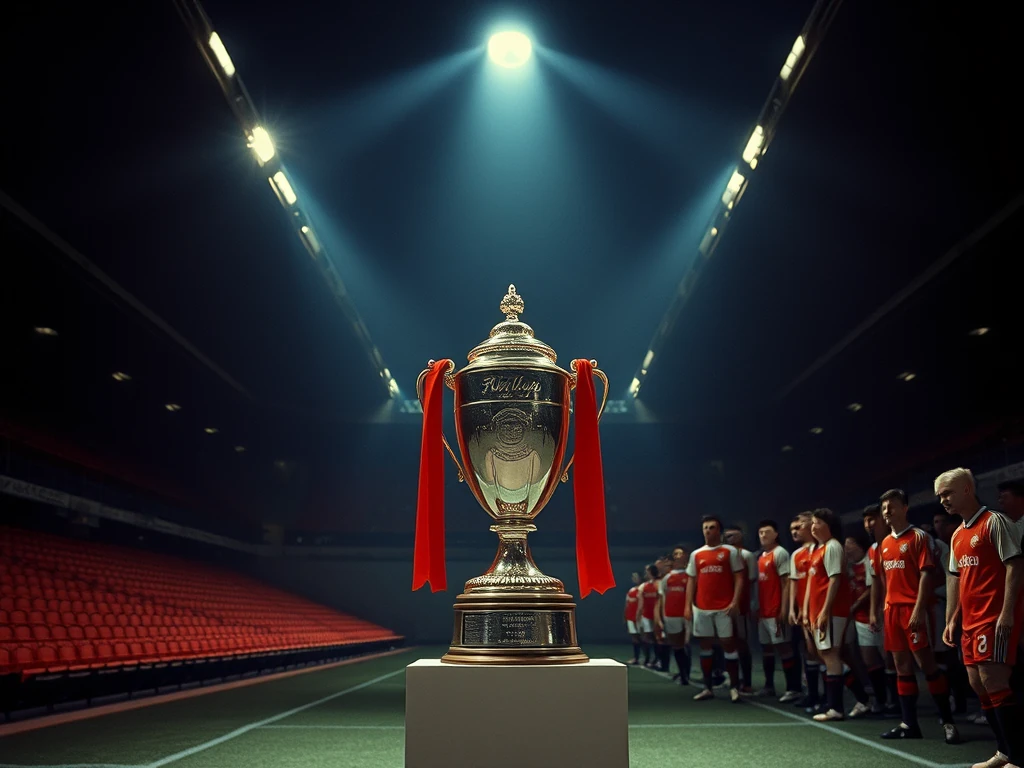
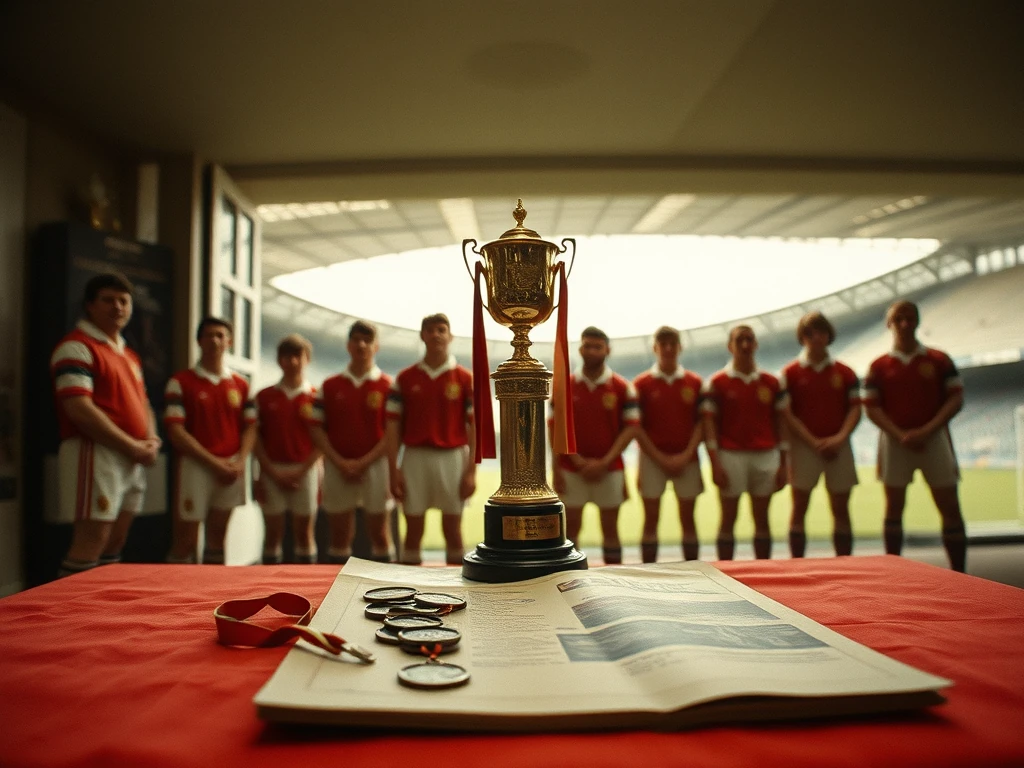
Best's debut in 1963 was a modest beginning, but it didn't take long for his talent to shine through. With a unique combination of speed, balance, and an uncanny ability to take on defenders, he quickly became a fan favorite. His ability to score sensational goals and create opportunities for his teammates was a breath of fresh air that invigorated the club's attacking style. Notably, in the 1965 FA Cup Final, Best's performance helped United lift the trophy, a precursor to even greater successes ahead.
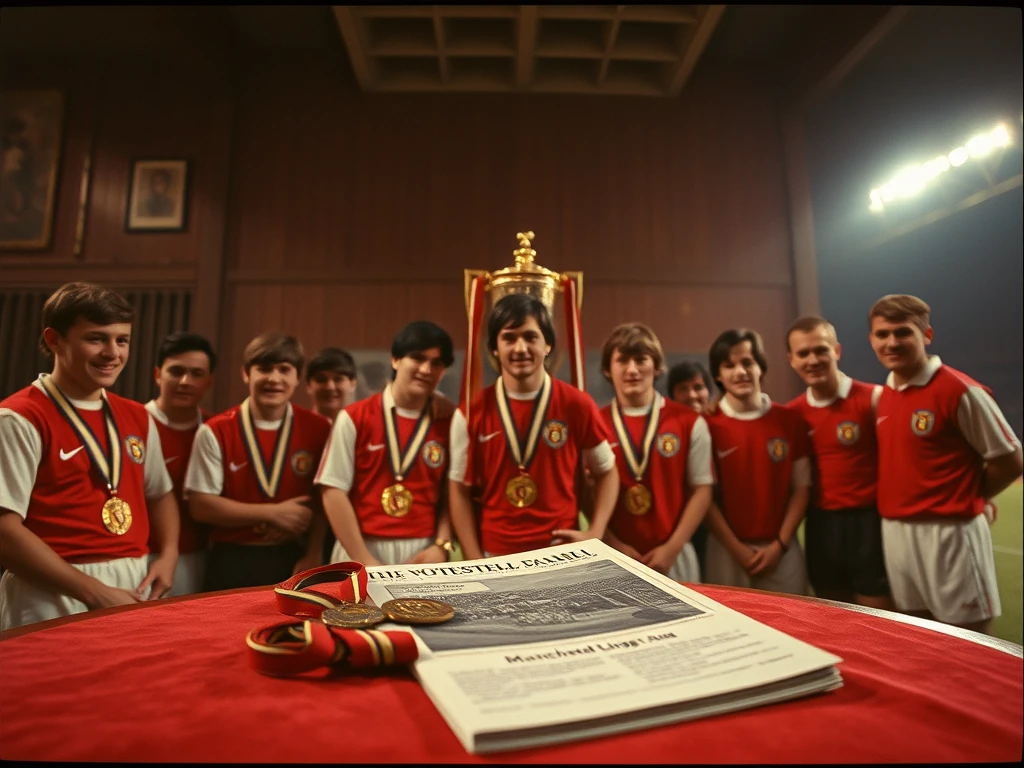
The 1968 European Cup victory was the pinnacle of Best's early career and a monumental achievement for the club. His contribution to the team was instrumental, as he scored key goals and provided assists. Best's flair and charisma brought a new level of excitement to the game, and he quickly became a global icon, attracting fans from all corners of the world.
However, Best's journey was not without its challenges. The fame and fortune that accompanied his success also brought personal struggles, including battles with fame, lifestyle choices, and the pressures of being in the public eye. Nevertheless, his impact on the club and football as a whole cannot be understated. He inspired a generation of players and fans alike, embodying the spirit of the Red Devils with his fearless approach to the game.
As the years passed, Best's legacy at Manchester United only grew stronger. His iconic number 7 jersey became synonymous with greatness, and he set the standard for future stars who would don the same shirt. The likes of Eric Cantona, David Beckham, and Cristiano Ronaldo would later follow in his footsteps, each carving their own legacy while paying homage to the man who had paved the way.
In retrospect, George Best's transfer to Manchester United in 1969 was more than just a signing; it was the beginning of a revolution that transformed the club's identity and set the foundation for future successes. His artistry on the field and his captivating personality off it forever changed the way football was perceived in England, making him a true legend in the hearts of United supporters. As we reflect on the rich mix of Manchester United's history, Best's arrival remains a defining moment-one that encapsulates the spirit of the club and its unwavering pursuit of excellence.