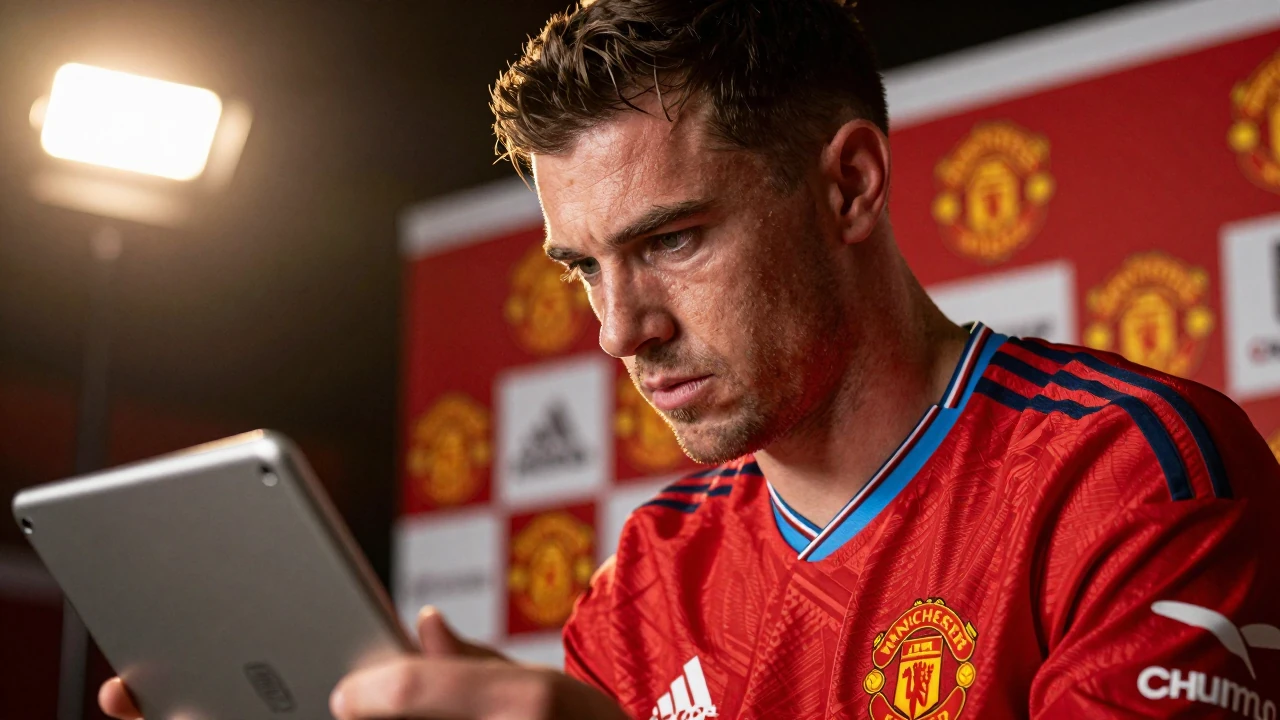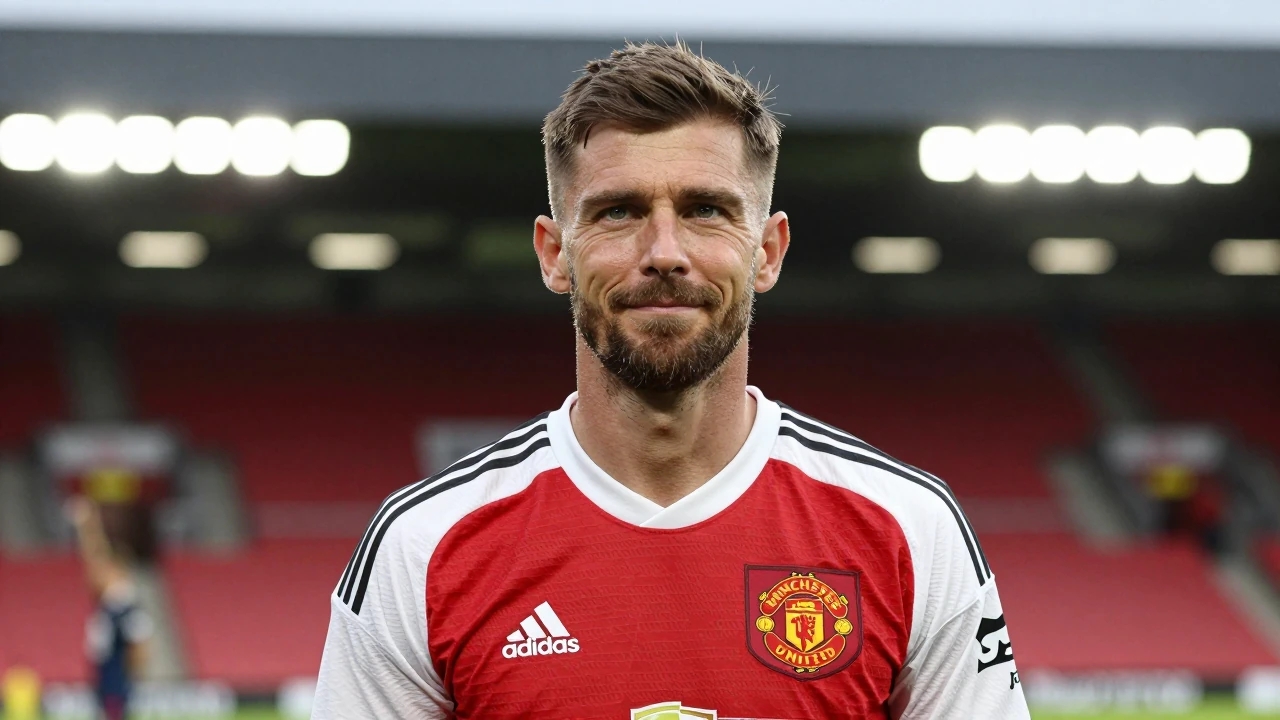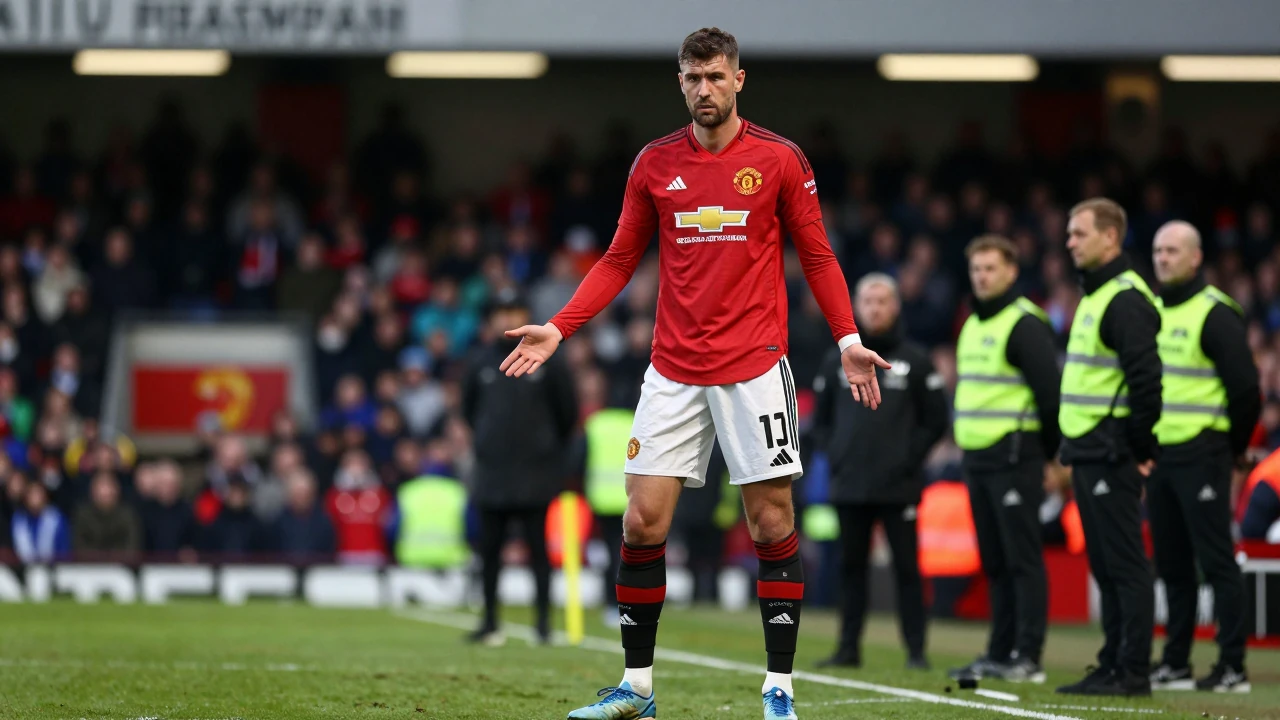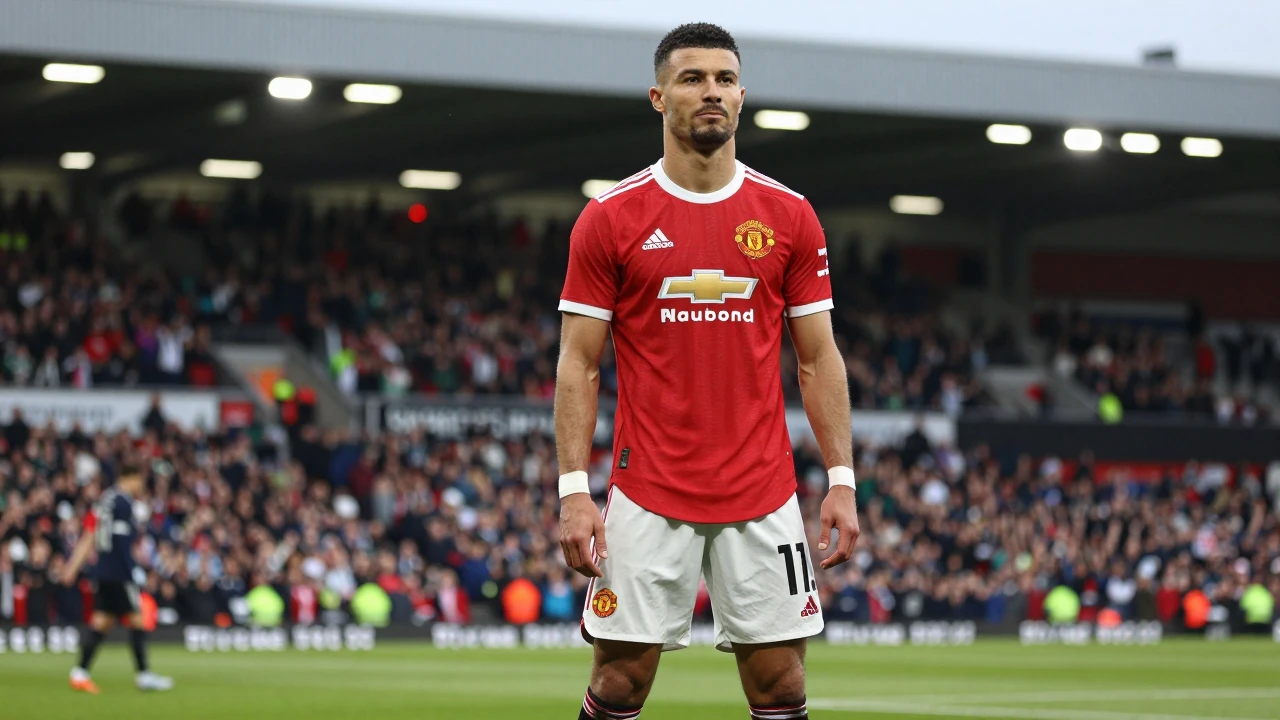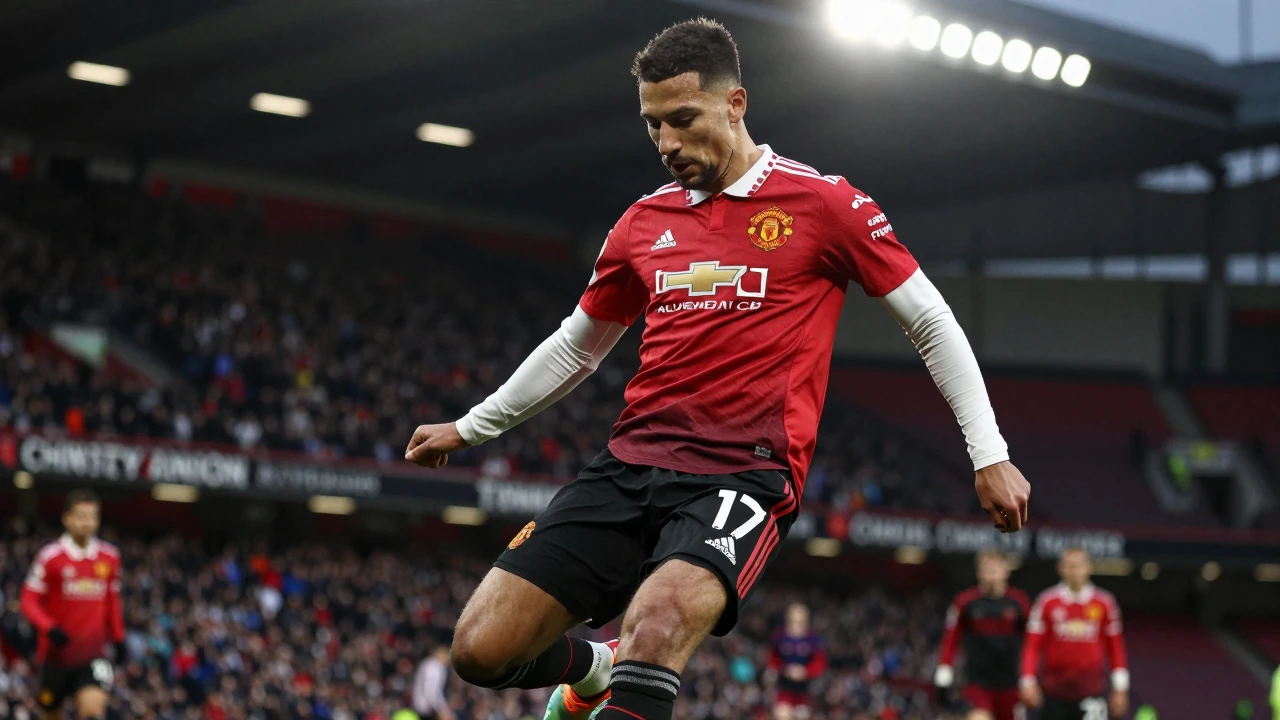

The appointment of Michael Carrick as Manchester United's manager for the next season marks a pivotal moment in the club's history. After leading the Red Devils to a commendable third-place finish in the Premier League, Carrick's continuation signals not just stability but a potential shift in the club's long-term vision. Fans are eager to see how this decision will shape the team's future, both on and off the pitch.
Carrick's Tactical Approach
One of the defining features of Carrick's management style has been his focus on tactical flexibility. Unlike his predecessor, who often adhered to a rigid formation, Carrick has shown a willingness to adapt his strategies based on the opponent. This adaptability was evident in pivotal matches throughout the season, where he often switched formations mid-game to exploit weaknesses.
- Formation Variety: Carrick has employed a mix of 4-2-3-1 and 3-5-2 formations, allowing players like Bruno Fernandes and Marcus Rashford to thrive in various roles.
- Defensive Solidity: Under his guidance, the backline has become more disciplined, with an emphasis on compactness and pressing from the front.
This tactical evolution has not only resulted in improved performances but also in a more cohesive team dynamic. Players appear more confident in their roles, and the results reflect that development.
What It Means for Manchester United
Carrick's sustained leadership is a significant indicator of Manchester United’s commitment to a long-term project rather than quick fixes. Many fans have expressed cautious optimism about this decision. With the right backing from the board, Carrick could build a side that not only challenges for the Premier League but also competes in Europe.
Supporters have long craved consistency, and with Carrick at the helm, they might finally get it. His understanding of the club's culture and ethos could benefit the squad immensely, fostering young talents from the academy and integrating them seamlessly into the first team.
The Challenges Ahead
While Carrick's appointment brings a sense of stability, it doesn't come without challenges. The Premier League is becoming increasingly competitive, with clubs investing heavily in their squads. Manchester City, Liverpool, and even emerging teams like Newcastle United present formidable opposition.
In addition to the competition, Carrick will need to address several key areas: - Squad Depth: Ensuring that the team has sufficient quality in all positions will be crucial, particularly as they aim to compete on multiple fronts. - Injury Management: Maintaining player fitness throughout the season, especially during congested schedules, will be vital. - Tactical Evolution: While Carrick has shown tactical flexibility, further refinement will be necessary to stay ahead of rival managers.
Fan Reaction and Outlook
The reaction from fans has largely been positive. Many appreciate Carrick's understanding of the club and his calm demeanor on the touchline. If you’ve followed Manchester United this season, you’ll know that his ability to handle pressure has been commendable, particularly during high-stakes games.
However, there remains a faction of supporters who are skeptical. Critics will argue that Carrick lacks extensive managerial experience and could struggle against more seasoned opponents. The flip side is that his intimate knowledge of the club could be a game-changer; he knows what it means to wear the Manchester United badge and play for its legacy.
The Future of Player Development
One of the most exciting prospects of Carrick's continued leadership is his commitment to youth development. Historically, Manchester United has prided itself on nurturing young talent, and Carrick seems poised to reinvigorate that tradition.
The emergence of players like Alejandro Garnacho and James Garner this past season illustrates a positive trend. Carrick has shown faith in youth by integrating them into the first team and providing them with opportunities to shine.
- Investment in Youth: Expect to see more academy graduates making their way into the senior squad.
- Long-Term Vision: A focus on developing young players aligns with Carrick's understanding of the club’s ethos, promoting a sustainable model for success.
What's Next
Looking ahead, the focus will be on the summer transfer window. Carrick and the board will need to identify key targets to strengthen the squad further. The goal will be to create a balanced team that can challenge for both domestic and European honors.
As fans, we’ll be watching closely to see how Carrick navigates the complexities of the upcoming season. His ability to blend youth with experience could very well define Manchester United's trajectory in the near future. The hope is that with Carrick at the helm, the Red Devils can reclaim their status as one of the top clubs in Europe.