
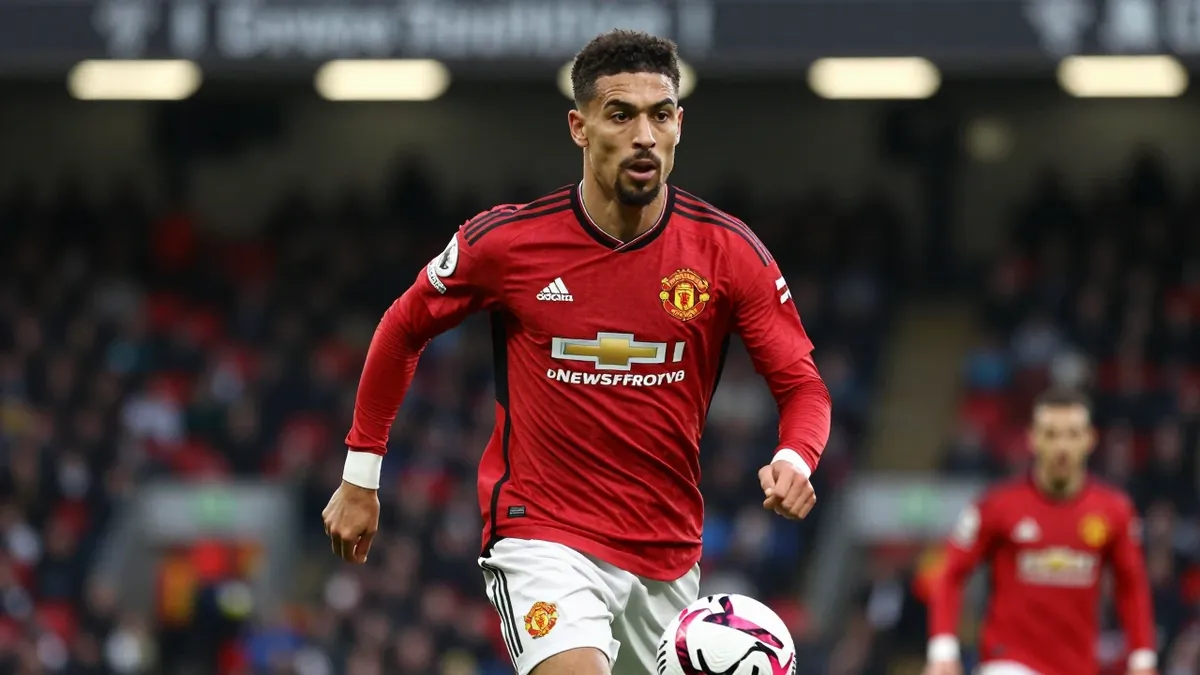
Manchester United's new attacking configuration displayed encouraging signs but ultimately lacked the cutting edge to defeat Everton in a 2-2 Premier League draw. The match at Old Trafford saw Michael Carrick's tactical approach yield a goal from Bryan Mbeumo and a late equalizer from substitute Benjamin Sesko.
Mbeumo broke the deadlock in the 47th minute, finishing a move that exemplified Carrick's desired attacking patterns. The Guardian's Will Unwin observed that "tunnel vision allowed Bryan Mbeumo seconds of focus, ignoring everyone in red around him, while those in blue provided a guard of honour." He noted the goal came from a sequence where "everyone had his role and performed it perfectly, while knowing where everyone would be at the desired split second."
Carrick fielded Bruno Fernandes as a number ten behind a front three of Matheus Cunha operating as a false nine, Bryan Mbeumo cutting inside from the right, and Marcus Rashford on the left following his Barcelona loan. This system gave United territorial advantage and more possession, frequently pinning Everton back, though goalkeeper Jordan Pickford faced limited serious threats for long stretches.
The best early opportunity came in the 8th minute when Rashford delivered a cross to the back post for Mbeumo to head down to Fernandes, whose volley struck the crossbar. Rashford showed his ability to go either way against defenders, beating Merlin Röhl from a standing start at one stage. Mbeumo's tendency to drift inside rather than take his full-back on the outside was apparent, while Cunha often dropped deep looking for shooting opportunities from distance, a trait from his Wolves days.
With the score tied, Carrick introduced Patrick Dorgu and Benjamin Sesko, bringing a more direct approach that eventually produced the equalizer. Sesko scored after coming off the bench, converting an assist from Bruno Fernandes following an overlapping run by Luke Shaw. These changes demonstrated alternative tactical avenues available if the starting front four fails to develop sufficient understanding.
Carrick suggested playing more frequently would help his attackers build rhythm. United currently occupy 12th position in the Premier League with three points from two matches, having scored five goals but conceded four for a +1 goal difference. They already trail leaders Manchester City by six points in the early title race.
United's squad options are constrained by injuries to Amad Diallo, Carlos Baleba and Manuel Ugarte, affecting midfield and attacking depth. Carrick must decide whether to continue developing his tactical vision or adopt a more straightforward approach if attacking cohesion doesn't improve. Check the latest availability on our injuries page.
Fernandes found it difficult to consistently unlock Everton's defense, with too many passes failing to find their targets. The captain struggled to locate teammates in better positions during periods when United dominated possession but created few clear chances.
Attention now turns to the Manchester derby against league leaders City at Old Trafford on September 13. This fixture provides a major early examination for United's developing attacking unit against the defending champions. The full squad details are available on our squad page.
Carrick will hope his front four can accelerate their understanding before facing Pep Guardiola's side. The draw leaves United with work to do in the standings ahead of the derby clash. United host Manchester City on September 13.


